The Science Behind Shatter-Resistant Auto Glass: What Drivers Should Know
Modern vehicles rely on far more than metal panels and mechanical systems to keep occupants safe. One of the most important safety components is shatter-resistant auto glass, engineered to withstand impact and reduce injury during collisions. Understanding how laminated windscreen glass and tempered safety glass work can help drivers make informed decisions about repairs and replacements. For Melbourne motorists, knowing the science behind automotive glazing is not just a technical curiosity. It directly affects safety, visibility, and compliance with Australian standards.
How Shatter-Resistant Auto Glass Is Engineered for Safety
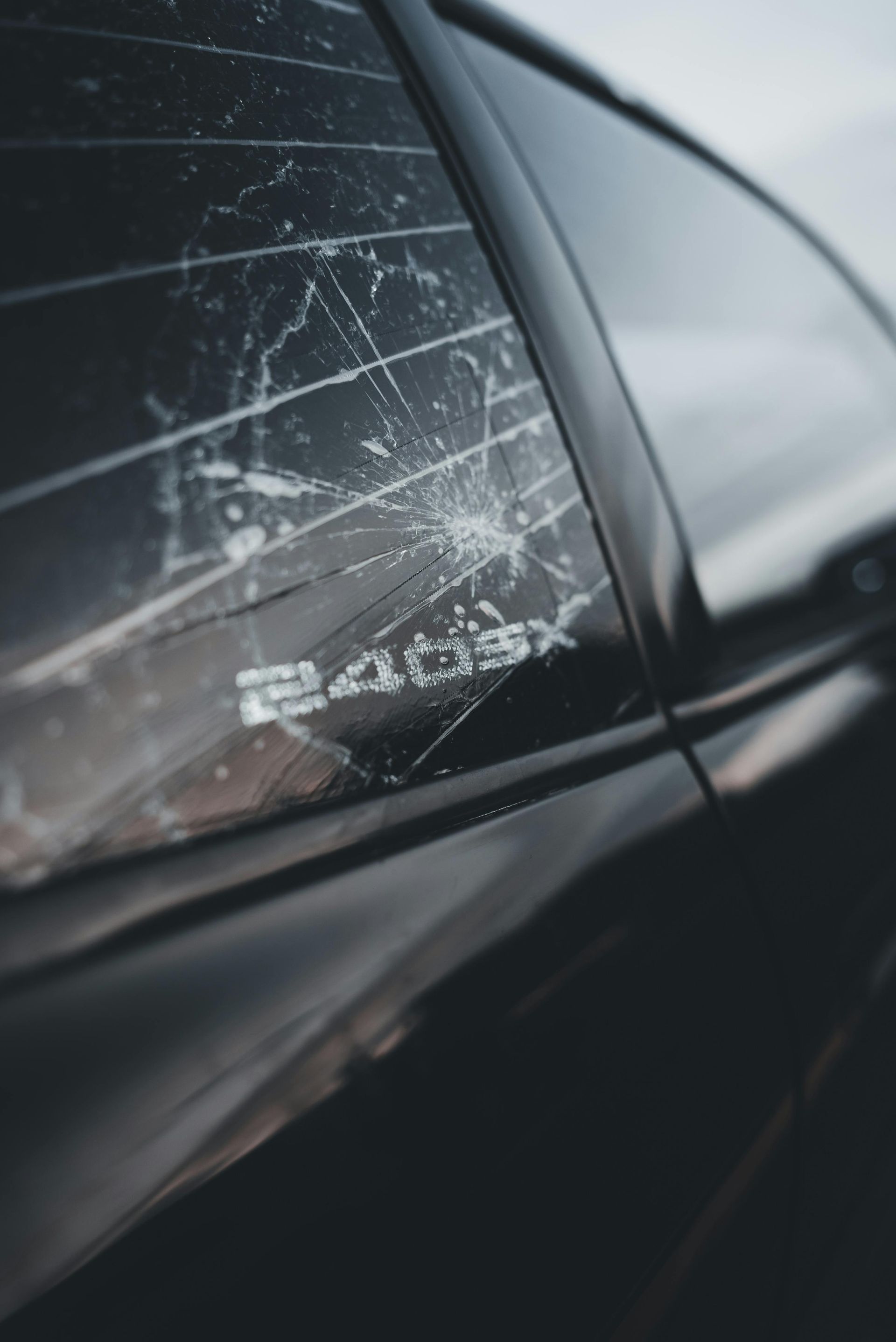
The windscreen in most vehicles is made from laminated glass, a multi-layered construction designed to absorb impact rather than explode into sharp shards. Laminated windscreen glass consists of two layers of annealed glass bonded together by a polyvinyl butyral interlayer. When a stone chip or collision occurs, the glass may crack, but the interlayer holds the fragments in place. This design prevents dangerous flying debris and maintains a barrier between occupants and external hazards.
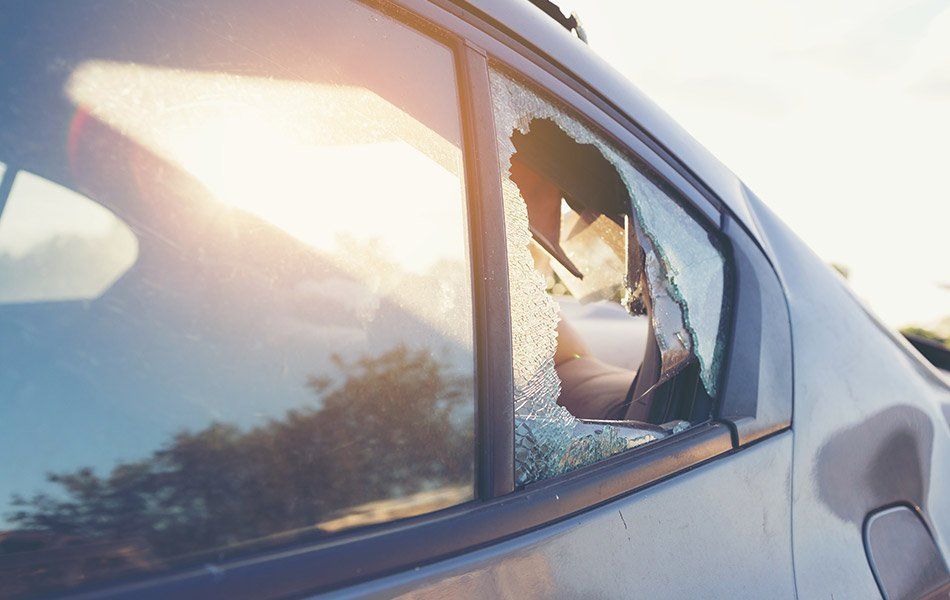
Tempered safety glass, commonly used in side and rear windows, undergoes a thermal strengthening process. The glass is heated to high temperatures and then rapidly cooled, creating compressive stress on the surface. If broken, it shatters into small, blunt granules rather than jagged pieces. This significantly reduces the risk of lacerations in an accident. While tempered glass is strong, it cannot be repaired once cracked, which is why side window replacement is often necessary after damage.
Impact resistance in auto glass is carefully calibrated. Engineers must balance strength with flexibility. Glass that is too rigid can fail catastrophically under stress, while glass that is too soft compromises structural integrity. Modern automotive glazing contributes to roof crush resistance, airbag deployment performance, and overall vehicle safety. In fact, the windscreen plays a critical role in supporting the passenger-side airbag. During deployment, the airbag often relies on the windscreen to redirect and cushion the force toward occupants.
All auto glass installed in Australia must comply with Australian Design Rules and relevant safety standards. These regulations specify impact performance, optical clarity, and durability requirements. Reputable auto glass replacement providers ensure that any new windscreen installation meets or exceeds these benchmarks, maintaining both legal compliance and safety assurance.
The Physics of Impact: Why Windscreens Crack but Do Not Collapse
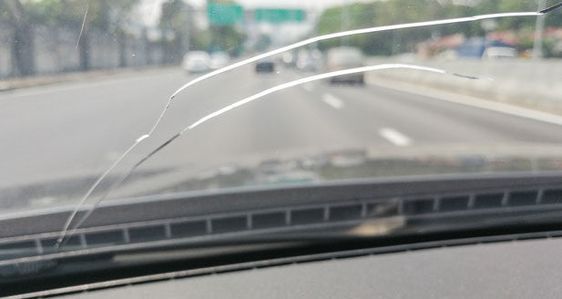
When a stone strikes a windscreen at high speed, kinetic energy is transferred into the outer glass layer. In laminated glass, that energy spreads outward from the point of impact. The polyvinyl butyral interlayer absorbs and redistributes some of this force, preventing immediate disintegration. Instead of collapsing inward, the glass forms a localised crack pattern.
However, even minor windscreen chips can evolve into significant cracks. Temperature fluctuations are a major factor in Melbourne’s climate. A cool morning followed by direct afternoon sun causes the glass to expand unevenly. The outer and inner layers respond differently to temperature changes, placing stress on the damaged area. Over time, a small chip can extend across the driver’s line of sight, compromising visibility and structural integrity.
Crack propagation follows predictable physical laws. Stress concentrates at the tip of a crack, where microscopic flaws in the glass surface amplify under pressure. Road vibrations, vehicle body flex, and further debris impacts increase this stress concentration. This is why prompt windscreen repair is critical. Resin injection during professional chip repair restores strength to the damaged zone and prevents moisture or debris from entering the laminate.
Ignoring damage can lead to full windscreen replacement rather than a simple repair. In addition to higher costs, a weakened windscreen may reduce the effectiveness of advanced driver assistance systems that rely on accurate calibration through the glass. Many modern vehicles incorporate sensors and cameras mounted near the windscreen. Any distortion or misalignment can interfere with lane departure warnings and automatic braking systems.
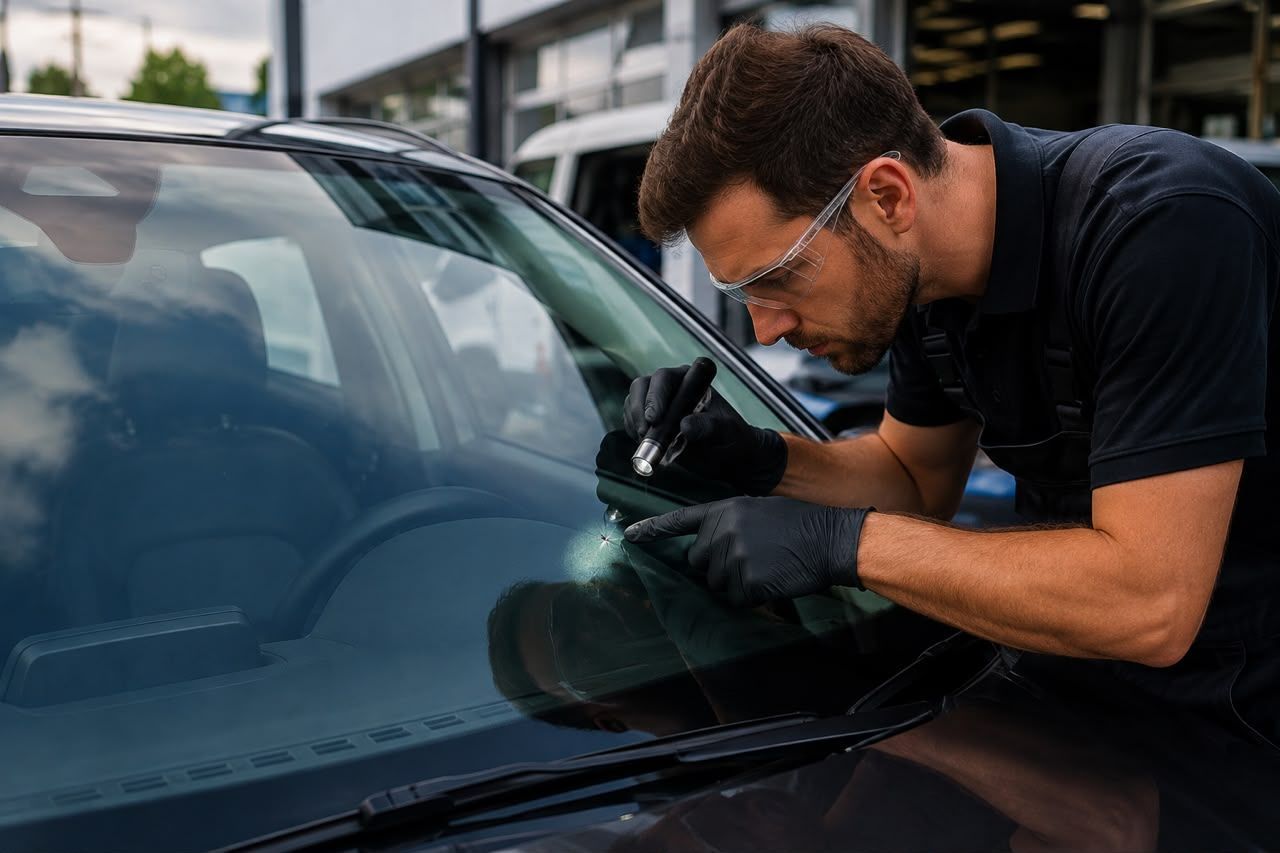
Professional technicians use specialised tools to assess whether a crack is repairable. Factors include crack length, depth, location, and proximity to the edge of the glass. Repairs are typically viable when damage is smaller than a coin and not within the driver’s direct field of vision. Beyond that threshold, auto glass replacement becomes the safer option.
What Melbourne Drivers Should Know About Replacement and Safety Standards
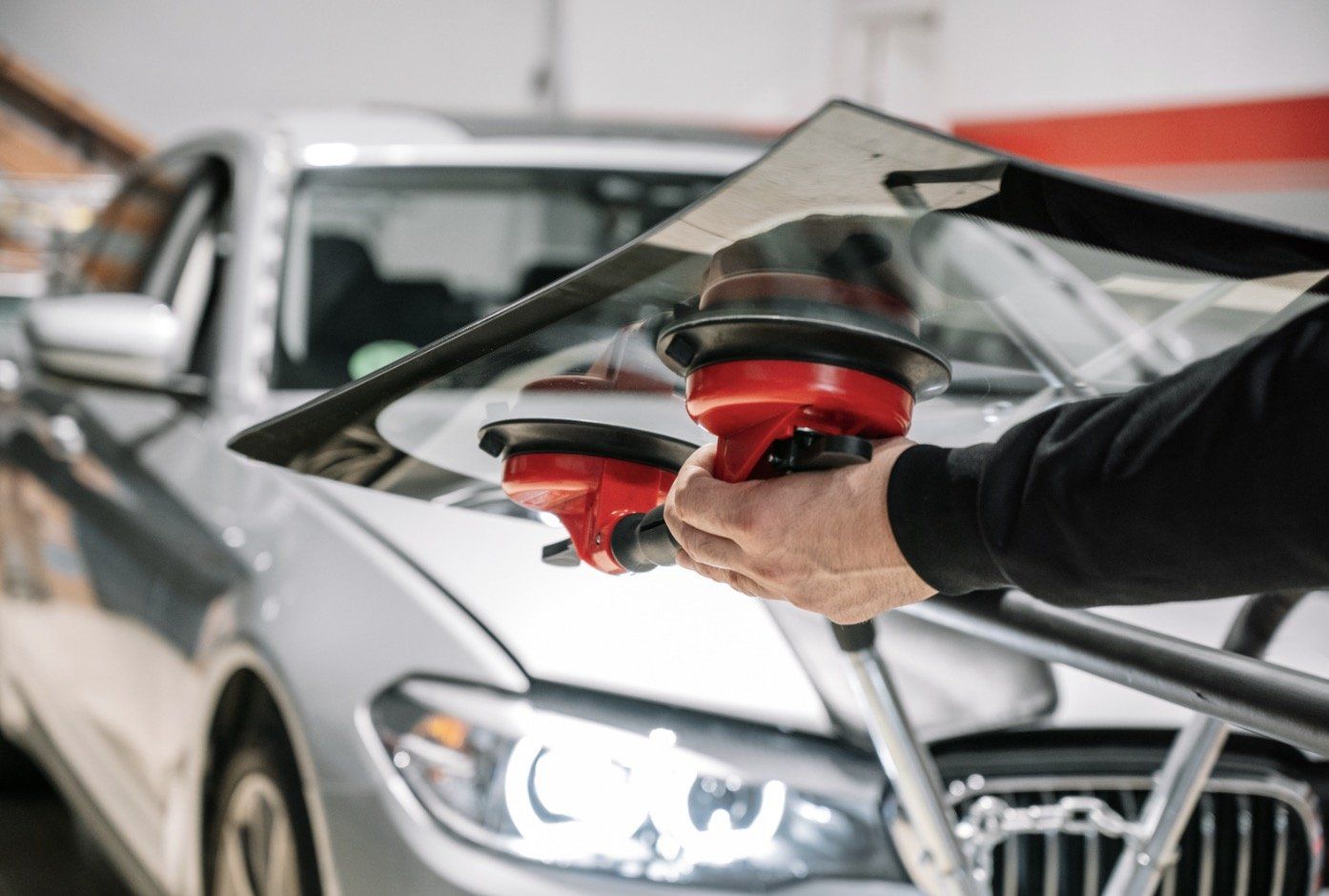
Auto glass replacement is not simply a matter of swapping one pane for another. The installation process directly affects vehicle safety. Windscreens are bonded to the vehicle frame using high-strength urethane adhesive. This adhesive forms part of the car’s structural support system. If improperly applied, it can compromise crash performance and water sealing.
Safe drive-away time is a critical factor after windscreen replacement. Urethane adhesives require adequate curing time to achieve full bonding strength. Driving too soon can weaken the seal, especially in cold or wet conditions. Professional auto glass technicians follow manufacturer guidelines to ensure the adhesive reaches appropriate strength before the vehicle is returned to service.
Optical clarity is another scientific consideration. High-quality automotive glazing must maintain consistent thickness and curvature to prevent visual distortion. Poor-quality glass can create subtle warping, which increases driver fatigue and reduces reaction time. Compliance with Australian standards ensures that replacement windscreens maintain correct optical properties.
Melbourne drivers should also consider environmental factors. Urban traffic, freeway speeds, and construction zones increase exposure to stone chips. Parking under trees or in extreme heat can stress existing cracks. Routine inspections help detect early damage before it escalates.
When choosing a provider, look for technicians experienced in laminated windscreen glass, side window replacement, and rear glass installation. Reputable specialists use OEM or equivalent quality glass and ensure correct calibration of any integrated sensors. Professional auto glass services also guide insurance claims, often working directly with insurers to streamline the process. For trusted windscreen repair and auto glass replacement services, Melbourne drivers can visit Melbourne AutoGlass to learn more about their approach to safety, compliance, and high-quality automotive glazing solutions
Conclusion
Shatter-resistant auto glass is the result of precise engineering, combining laminated windscreen glass, tempered safety glass, and high-performance interlayers to protect vehicle occupants. The physics of impact absorption explains why windscreens crack rather than collapse, and why small chips can quickly spread without prompt repair. Proper installation, compliant materials, and adequate adhesive curing time are all essential to maintaining structural integrity and airbag performance.
For Melbourne drivers, understanding these principles translates into practical action. Addressing minor windscreen chips early can prevent costly replacement, while choosing qualified technicians ensures compliance with Australian standards and correct sensor calibration. Auto glass is not a cosmetic feature. It is a core safety component that supports visibility, occupant protection, and vehicle stability on the road.
About Melbourne AutoGlass
Melbourne AutoGlass provides professional windscreen repair, auto glass replacement, side and rear window installation, and emergency glass services across Melbourne and surrounding suburbs. Specialising in laminated windscreen glass and compliant automotive glazing, the company ensures every installation meets Australian safety standards and manufacturer specifications. With experienced technicians, high-quality materials, and a focus on safe drive-away times, Melbourne AutoGlass delivers reliable, efficient service that prioritises structural integrity, clear visibility, and long-term vehicle safety for local drivers.